
WLTP range leader
805 kmlongest range in the ranking
BMW iX3 50 xDrive →Interactive electric car ranking
Sort by WLTP range, power, acceleration, top speed, price and efficiency.
WLTP range leader
805 kmlongest range in the ranking
BMW iX3 50 xDrive →Fastest 0-100 km/h
2.3 sperformance versions compared
Porsche Taycan Turbo GT →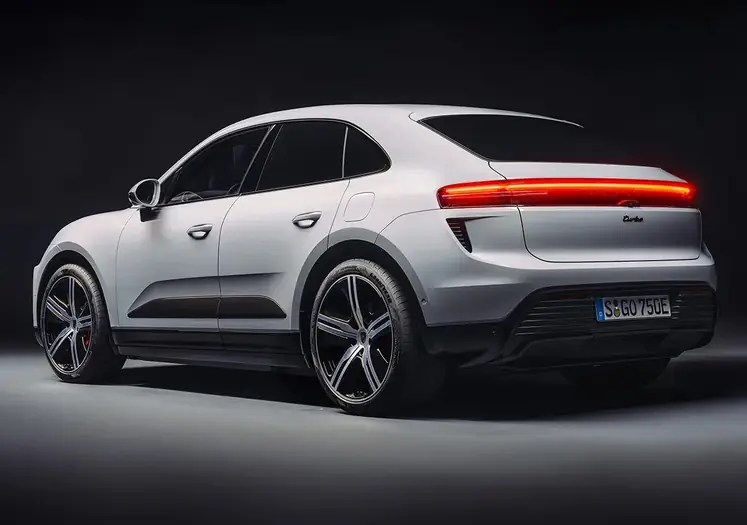
FASTEST IN THE RANKING
Porsche performance benchmark for quick comparisons
Car makes
Browse makes, models and curated listings by brand.
The ElectrocarTop service was created to compare electric vehicles by the technical specifications that truly matter when choosing a car. The ranking includes popular models from different brands, classes, and price categories. The table can be sorted by WLTP range, power output, acceleration, maximum charging speed, battery capacity, ground clearance, and estimated price.
Official specification figures do not always give a complete picture of an electric vehicle. For example, two models, even from the same brand and with the same battery capacity, but built on different platforms or released in different model years, can differ significantly in range, charging speed, and energy consumption. The final result is influenced by many factors, including electric motor efficiency, aerodynamics, weight, drivetrain type, wheel size, and battery management system settings.
That is why the vehicle pages include not only the main official specifications, but also additional technical data: range according to WLTP and EPA cycles, estimated performance in warm and cold weather based on user reviews, power output, torque, battery architecture, maximum fast-charging power, charging port type, dimensions, and weight. If a certain model has several trims that differ technically rather than cosmetically, each version can be considered a separate vehicle.
Range remains one of the key criteria when choosing a car. The WLTP value is convenient for comparing models under the same conditions, but the actual result depends on temperature, speed, terrain, driving style, and use of the climate control system. In winter, the battery uses part of its energy to heat the cabin and maintain the operating temperature with the help of a heat pump, while highway driving generally increases consumption due to air resistance.
For city driving, it is important to evaluate not only the maximum range, but also the vehicle’s efficiency. A compact model with a smaller battery may consume significantly less energy and be cheaper to use on a daily basis. For regular long-distance routes, DC charging speed, charging curve stability, and the availability of suitable charging stations become more important.
When looking at electric vehicle specifications, it is important to distinguish between total and usable battery capacity. The manufacturer keeps part of the charge unavailable to protect the battery from excessive discharge and charging. It is the usable capacity that shows how much energy is actually available for driving. Usually, this 5–10% is included in the battery’s technical specifications, but you can never use the declared 100% of the battery.
Charging power should also be assessed comprehensively. The maximum figure in kilowatts demonstrates the system’s capabilities, but it does not guarantee that this speed will be maintained throughout the entire charging session. For practical comparison, the charging time in the standard range from 10 to 80% is more useful. Home AC charging is slower, but it usually fully covers the car’s needs during overnight parking.
Before choosing a model, determine your usual daily mileage, the possibility of charging at home or at work, the frequency of long-distance trips, and the required cabin size. For city use, compact dimensions, efficiency, and a small turning radius may be important. A family car needs a spacious cabin, a roomy trunk, and sufficient range. For fast highway trips, it is worth paying attention to charging power, comfort, aerodynamics, and real-world consumption at high speeds.
Add two or three models to the comparison to see their specifications in one table. This makes it easier to notice the differences between base versions and trims, evaluate the advantages of each option, and choose an electric vehicle that matches your routes, budget, and operating conditions.