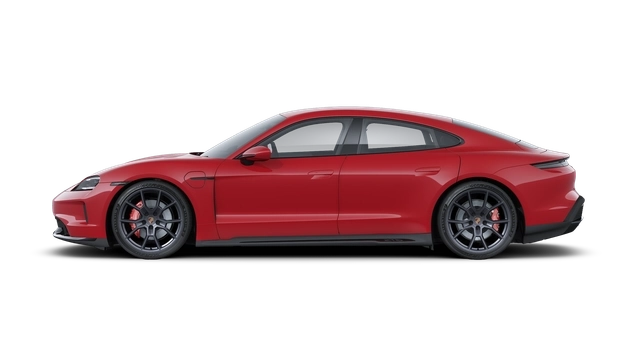
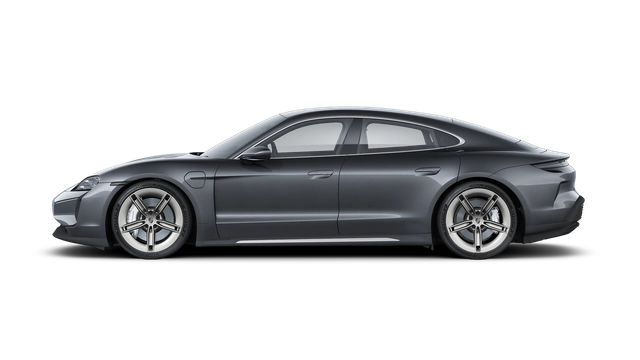
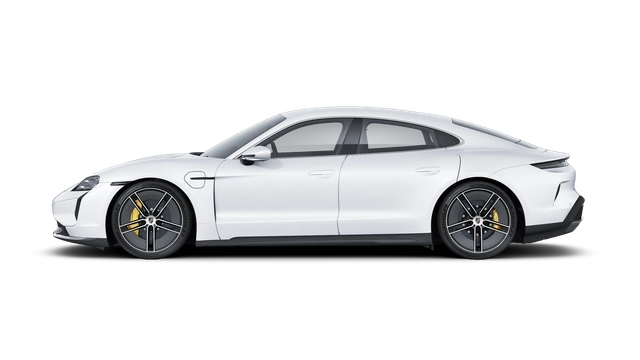
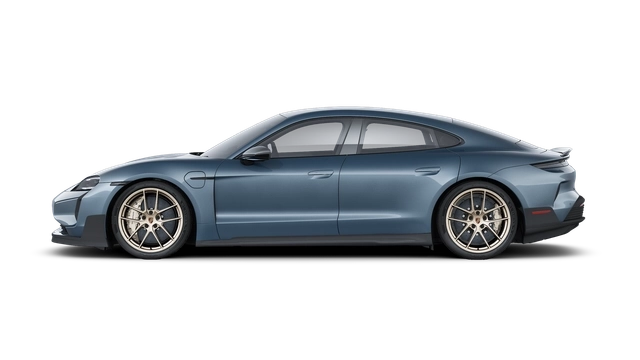
Performance and handling
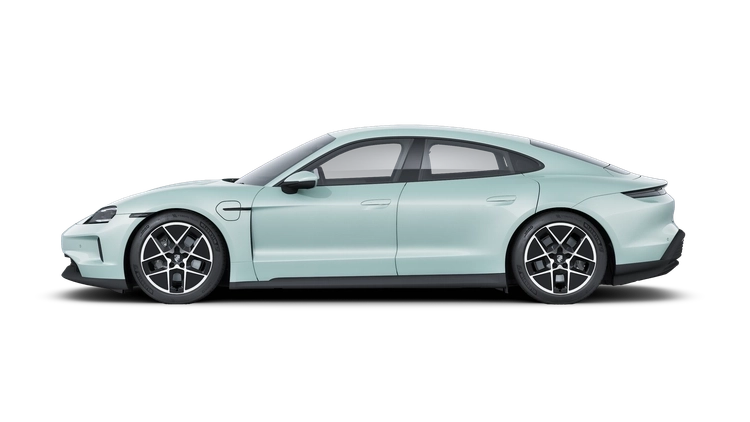
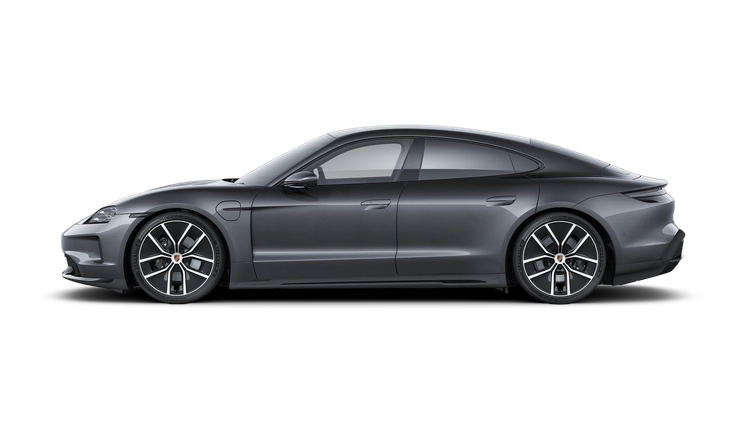
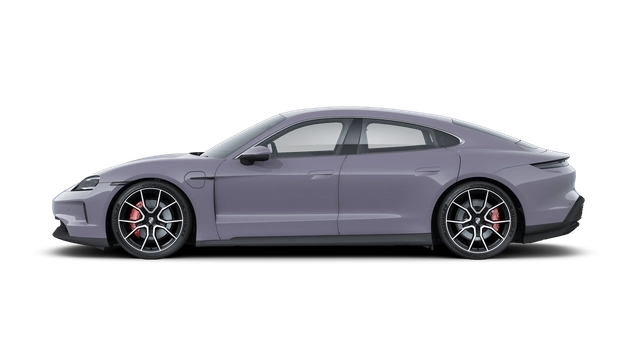
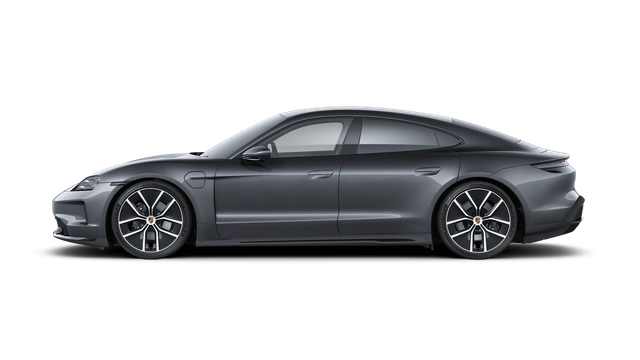
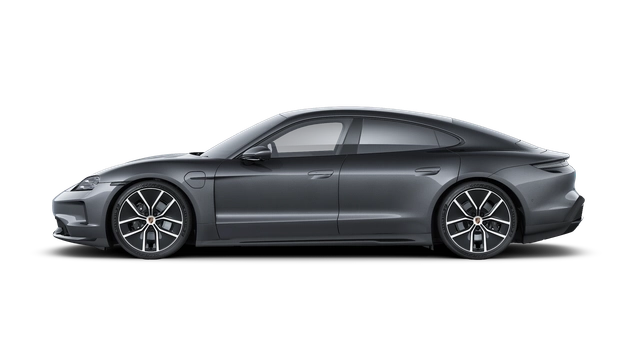
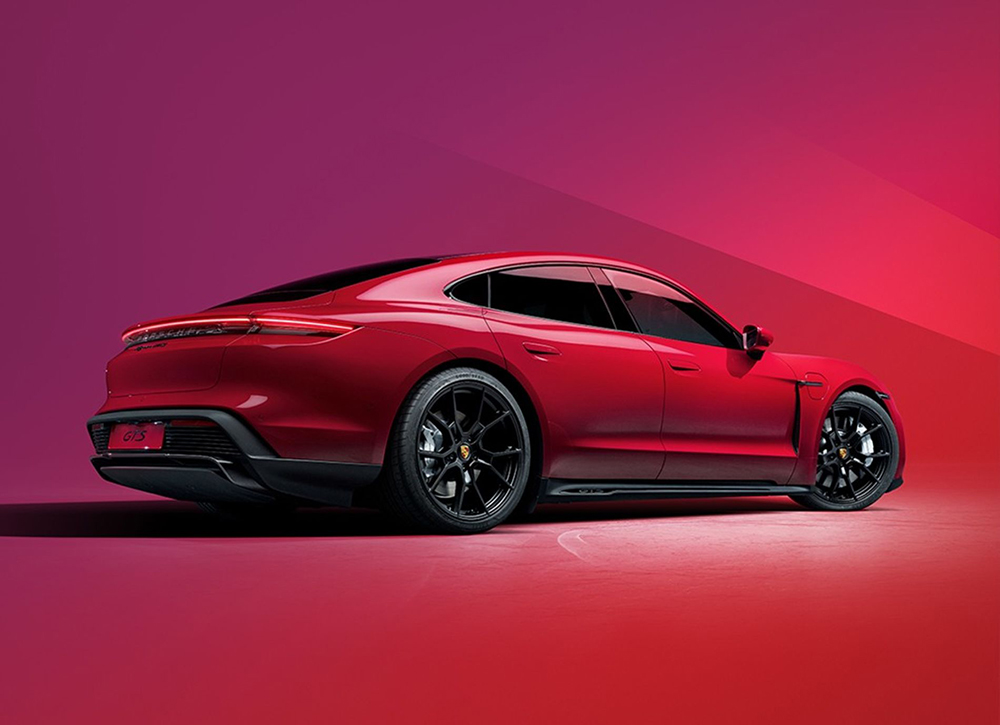
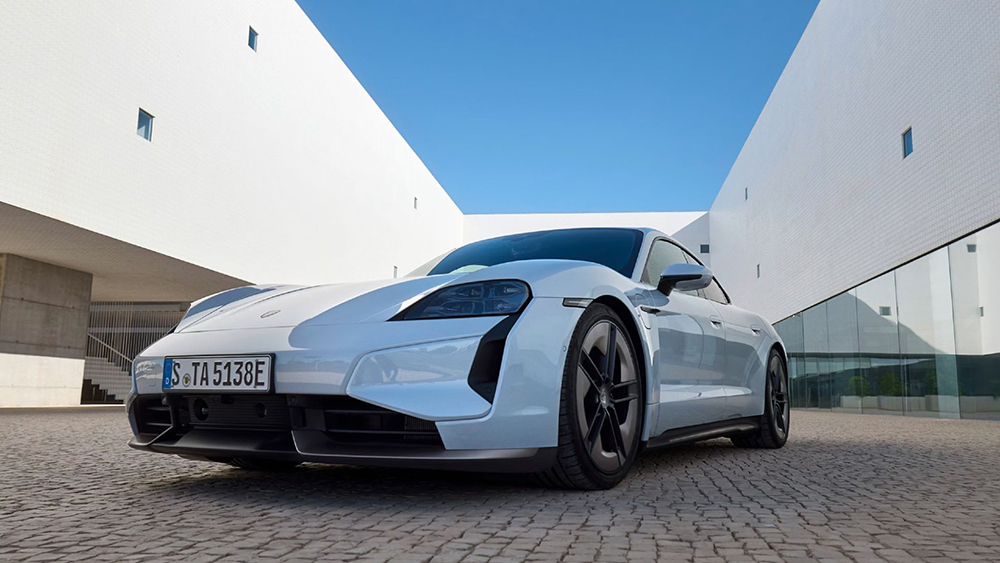
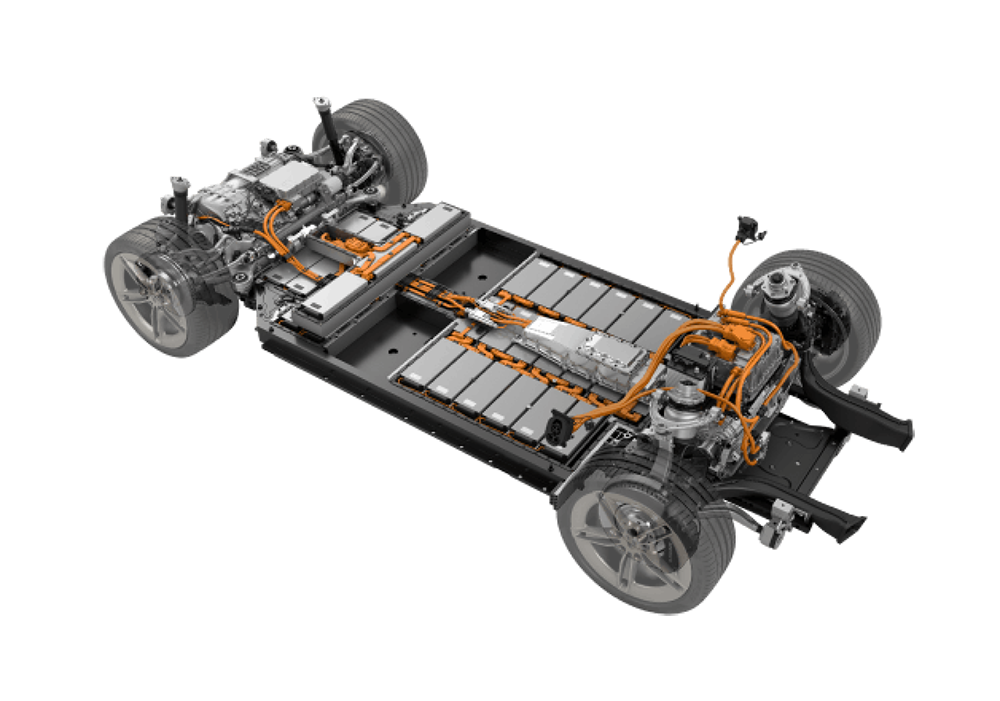
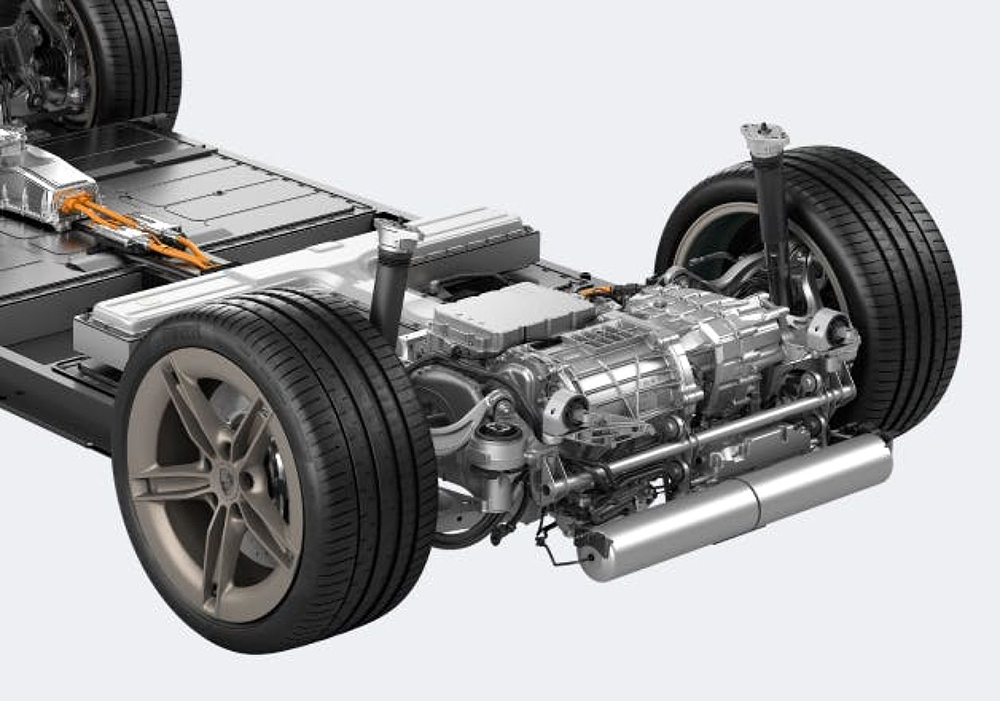
The rear-wheel-drive Taycan produces up to 408 hp with Launch Control and reaches 100 km/h in 4.8 seconds. It is the calmest member of the range, although it is hardly a slow car. Its rear-wheel drive, simpler powertrain and useful driving range nevertheless give it a distinct appeal. The Taycan 4 has the same peak output of 408 hp but adds a front motor and all-wheel drive. The 0 to 100 km/h time falls to 4.6 seconds, while traction on slippery roads becomes more predictable. The Taycan 4S is the middle ground for drivers who want considerably more performance but do not need the price or extremes of a Turbo. According to Porsche specifications, it produces up to 544 hp with Launch Control and reaches 100 km/h in 3.7 seconds. The GTS adds sharper chassis tuning and a more focused character, while the Turbo and Turbo S put greater emphasis on outright speed. The Turbo S reaches 100 km/h in 2.4 seconds and produces up to 952 hp in its peak mode.
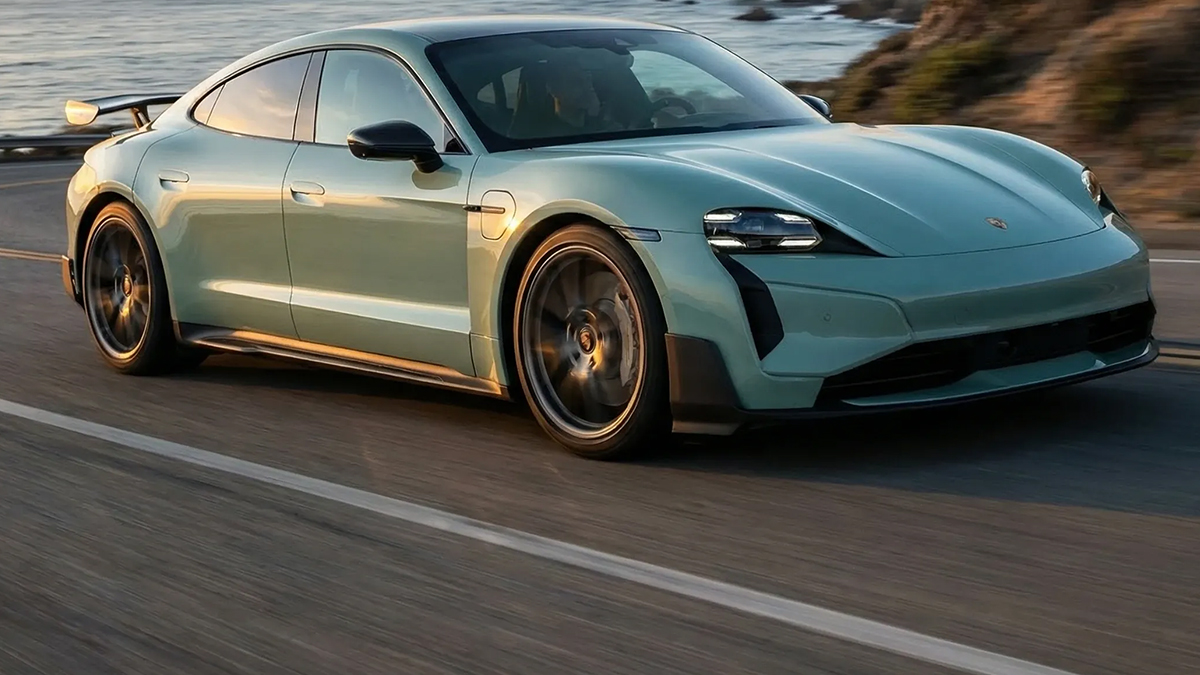
The Turbo GT belongs in a category of its own because its priorities differ markedly from those of a regular Taycan. With the Weissach package, it can briefly produce up to 815 kW, accelerate to 100 km/h in 2.2 seconds and reach 305 km/h. Its rear seats are removed to save weight, so it should not be viewed as a normal family sedan. This is a road-legal car with a clear track priority.
Even the entry-level versions are heavy, so suspension and wheel choices make an unusually clear difference to the way the car feels. Air suspension helps control the body, while Porsche Active Ride can further reduce roll and pitch. Large 21-inch wheels respond more precisely to steering inputs but reduce ride comfort, increase the risk of tyre damage and shorten driving range. On ordinary roads, 19 or 20-inch wheels are often the more sensible compromise.