




First-generation Tesla Model 3 (Gen. 1)

Tesla Model 3 (Gen. 1) is an electric car with a WLTP range of up to 500 km, ready to compare across key specifications before buying.

Model years: 2017-2020

Tesla Model 3 (Gen. 1)

Tesla Model 3 (Gen. 1) is an electric car with a WLTP range of up to 500 km, ready to compare across key specifications before buying.

Power
275 hp
WLTP range
500 km
EPA range
418 km
Drive
RWD
Battery type
Li-ion
0-100 acceleration
5.9 s

* specifications are for the base version of the vehicle. Other configurations are available in the trims section.
Specifications

Full specifications

Technical data is grouped into tabs for quick switching between range, battery and dimensions.

Motor, range and performance

Range, real-world consumption, motors, power and acceleration figures for the First-generation Tesla Model 3.

GroupSpecificationValue
RangeWLTP range500 km
EPA range418 km
Real-world range, combined mild≈440 km, estimate
Real-world range, combined cold≈320 km, estimate
ConsumptionOfficial consumption≈14.8 kWh/100 km
Real-world consumption, combined mild≈14.1 kWh/100 km
Real-world consumption, combined cold≈19.4 kWh/100 km
MotorsNumber of motors1
FrontPMSRM
RearPMSRM
PlatformTesla Model 3 platform
PowerPower275 hp
Overboost / Launch ControlNo
Torque404 N·m
Performance0-100 km/h5.9 s
0-60 mph5.7 s
Top speed201 km/h

First-generation Tesla Model 3 in detail

The 2018 Tesla Model 3 was positioned as a more compact and more affordable alternative to the premium Model S, while retaining long range, quick acceleration, and over-the-air updates. At first, buyers were offered the Long Range with rear-wheel drive; later, the Long Range Dual Motor and Performance versions with all-wheel drive appeared, and in autumn a cheaper Mid Range version was added. The promised Standard Range had not yet reached sales in 2018.

First-generation Tesla Model 3 — section image

Design and positioning

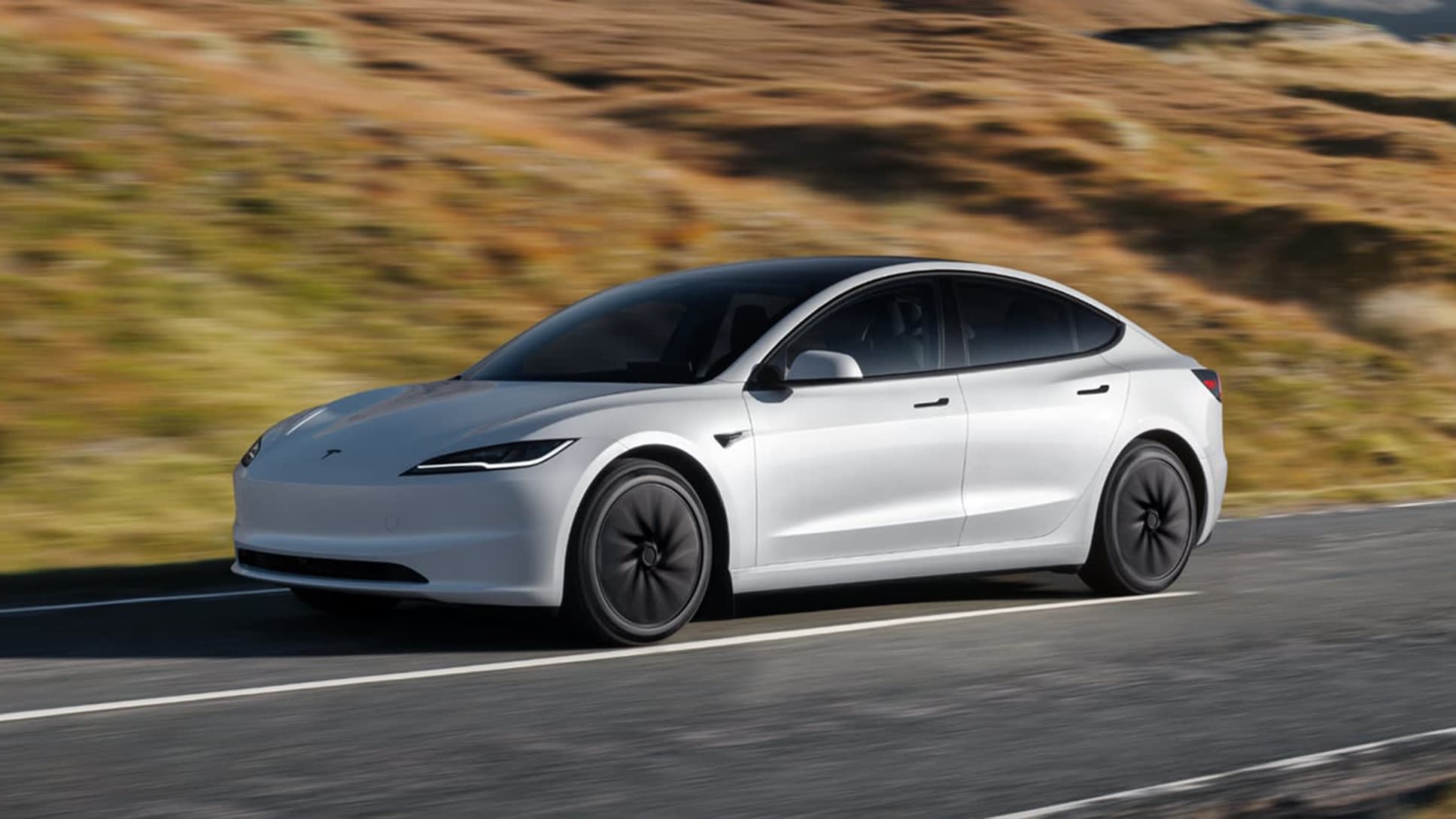
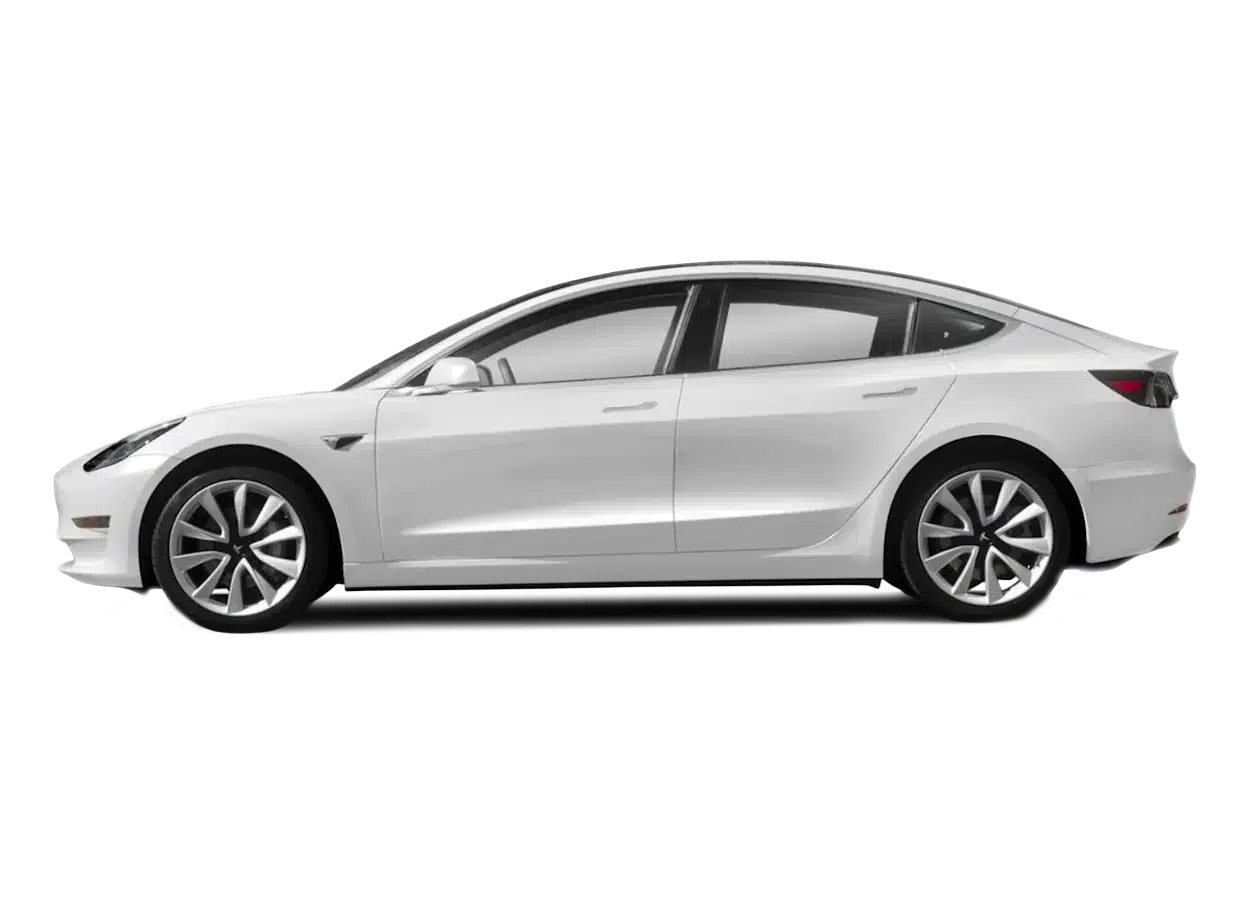
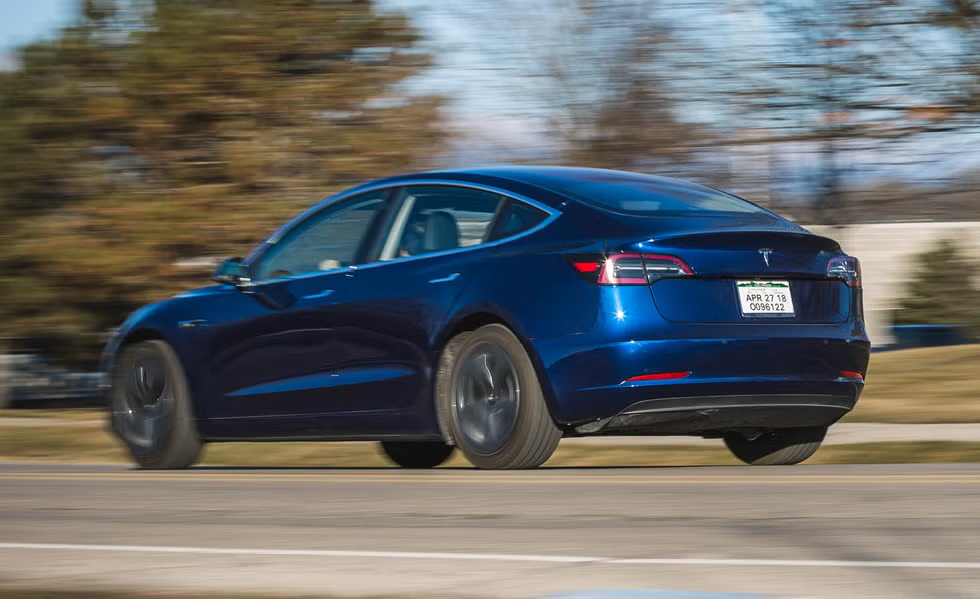
The Model 3 has a short front overhang, a smooth nose, a sloping roof, and flush door handles. A drag coefficient of around 0.23 helped improve efficiency. The Performance version can be recognized by its 20-inch wheels, red brake calipers, spoiler, and lowered suspension.

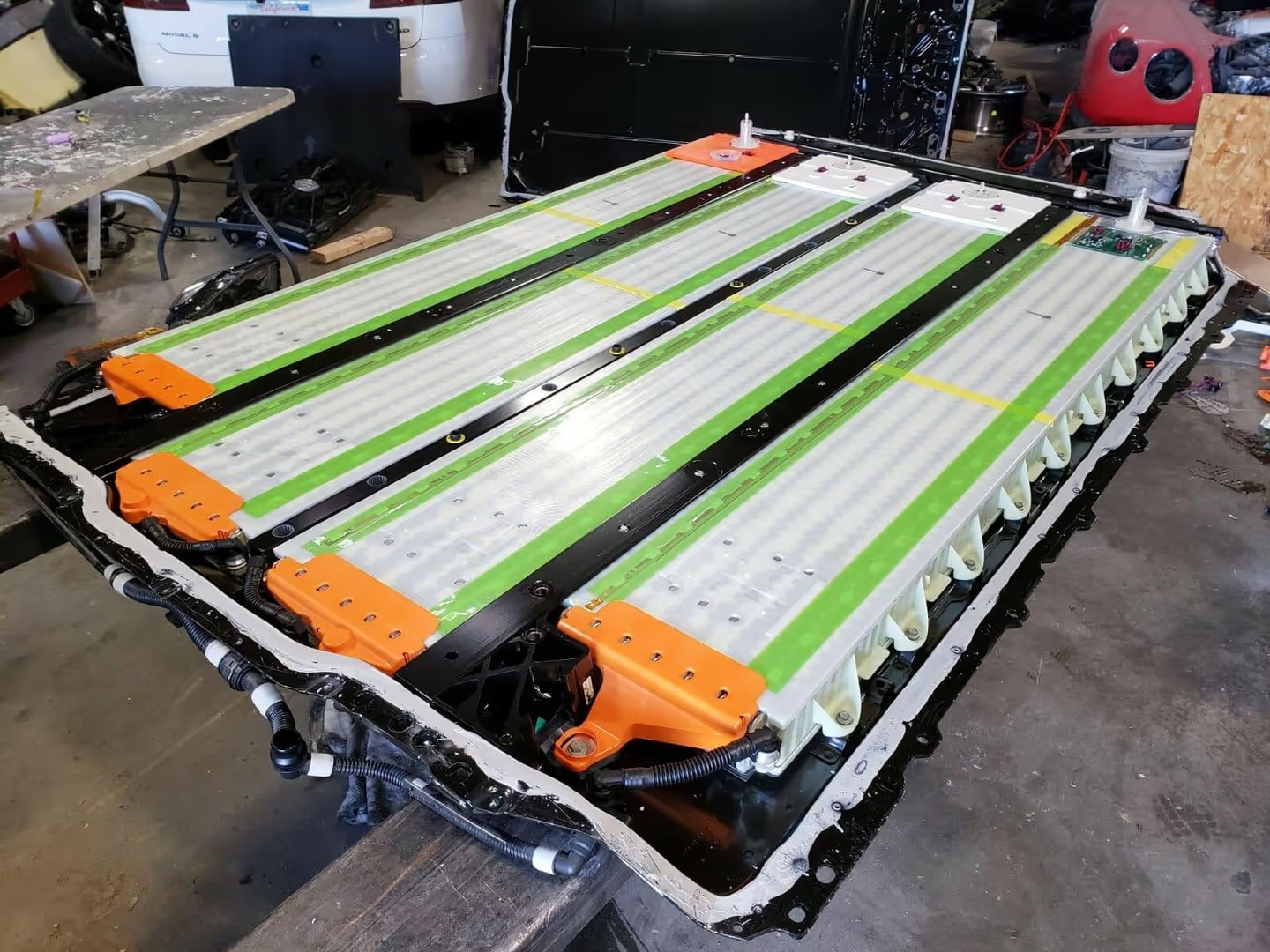
With a length of about 4.69 m, the sedan can accommodate four adults. As in all Teslas, the battery is located in the floor, so the center of mass is low and there is no central tunnel. Luggage space is divided between the rear trunk with an underfloor compartment and the front trunk. The total claimed volume was approximately 425 liters, but the sedan opening limits taller items.

First-generation Tesla Model 3 — section image

Interior and technology

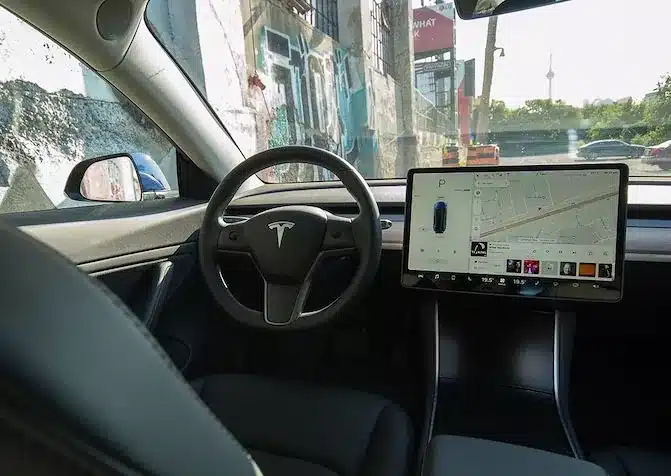
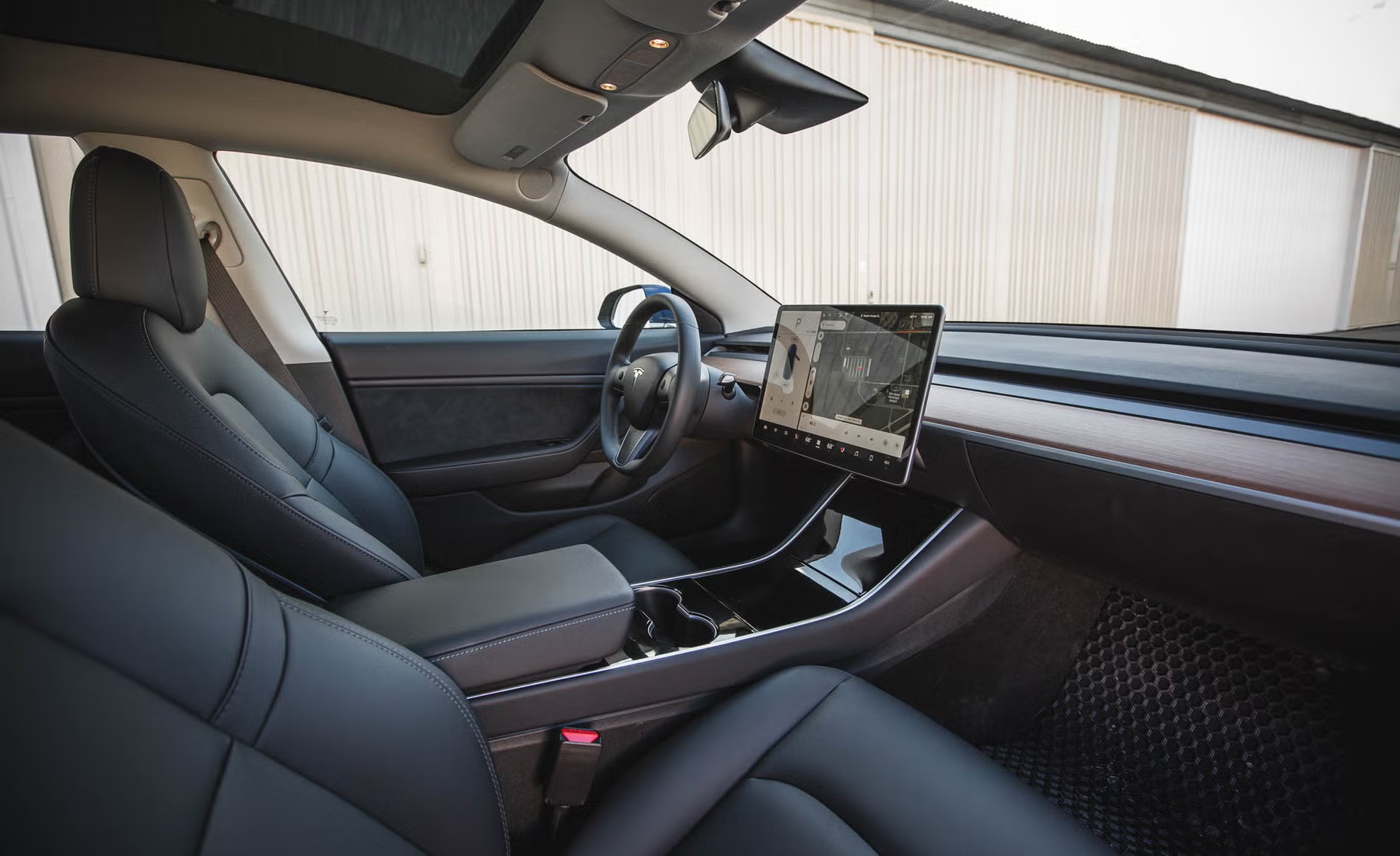
The interior is arranged in typical Tesla style around a horizontal dashboard and a 15-inch central screen. There is no separate instrument cluster in front of the driver: speed, navigation, climate control, charging, and vehicle settings are all gathered on the display. The interface works quickly and has clear graphics, but changing the airflow direction or adjusting the mirrors requires looking into the menu.

The front seats are comfortable, the glass roof adds light, and the flat floor creates a sense of space. The rear bench has a low cushion, so tall passengers may lack thigh support. Rear visibility is also limited by the high trunk shelf. The 60:40 folding seatbacks create an almost flat loading surface.

Navigation, the mobile app, and over-the-air updates were strong arguments in favor of the Model 3. In 2018, Tesla shortened the braking distance through software after comments from Consumer Reports. Apple CarPlay and Android Auto were not supported. On an early example, it is worth checking body panel gaps, paintwork, seals, cameras, and cabin noises.

First-generation Tesla Model 3 — section image

Charging and range

The most efficient version was the Long Range RWD: one rear motor and a range of 310 miles, or 499 km, according to the EPA cycle. The Long Range AWD and Performance were also certified at 310 miles, although all-wheel drive, the Performance version’s 20-inch wheels, temperature, and speed noticeably affect the real-world distance. The later Mid Range RWD received 260 miles, or 418 km EPA. But as with all electric cars, if you use the car in winter, only God knows how far it will actually go.

American cars are equipped with the Tesla connector, now called NACS. In the United States, it provided easy access to Superchargers and home charging, but in Ukraine the compatibility of a specific car must be checked separately. Adapters do not always support fast DC charging; some imported cars have a converted port or an additional module.

Early Model 3 versions worked mainly with Supercharger V2 stations with power up to 120 kW, although updates expanded the capabilities of some cars. Charging speed depends on battery temperature and state of charge. For daily use, it is most convenient to have a 220 V home charging line.

First-generation Tesla Model 3 — section image

Performance and handling

The Long Range RWD accelerated to 60 mph in about 5.1 seconds and reached around 225 km/h. The Mid Range was slower — about 5.6 seconds and 200 km/h. Even these versions respond quickly to the accelerator, and rear-wheel drive makes the car’s behavior predictable. The Long Range Dual Motor added a front motor and better traction on slippery roads. In an independent MotorTrend test, it reached 60 mph in 4.0 seconds. The Performance version was already created as a rival to sports sedans: the claimed acceleration was around 3.5 seconds, and the top speed was approximately 250 km/h.

The battery in the floor reduces body roll, and regenerative braking often allows one-pedal driving. The downside is a somewhat firm suspension and tire noise on rough asphalt. The 20-inch Performance wheels are more expensive, more vulnerable to potholes, and less comfortable.

Pros of the 2018 Tesla Model 3

  • 1. Long range. The Long Range received a 499 km EPA rating, which was one of the best figures of its time.
  • 2. High energy efficiency. The rear-wheel-drive Long Range consumes less energy than the all-wheel-drive versions.
  • 3. Quick and precise handling. The low center of mass and sharp steering responses make the sedan enjoyable on winding roads.
  • 4. Well-developed digital ecosystem. Navigation, the app, and over-the-air updates make daily use easier.
  • 5. Practical cargo compartments. The rear trunk is supplemented by an underfloor compartment and a front trunk.

Cons of the 2018 Tesla Model 3

  • 1. Inconsistent quality of early cars. Panel gaps, paint, seals, and noises require careful inspection before purchase.
  • 2. Excessive dependence on the screen. Even some simple settings are hidden in the touchscreen menu.
  • 3. Compromised rear bench. The low cushion provides poor thigh support for adult passengers.
  • 4. No CarPlay or Android Auto. The owner depends on Tesla’s built-in multimedia services.
  • 5. Nuances of the American charging port. For full charging functionality in Ukraine, an adapter or conversion may be needed.
  • 6. Firm ride. This is especially noticeable in the Performance version with 20-inch wheels.

The 2018 Tesla Model 3 will suit you if range, speed, strong digital features, and an affordable used EV price are important. At the same time, the early production year requires more careful diagnostics of the battery, body, suspension, electronics, and charging equipment. The Mid Range is suitable for the city, while the Long Range RWD offers the best balance of efficiency and distance. The Long Range AWD is worth choosing for winter traction and quicker acceleration. The Performance is aimed at those who are ready to sacrifice some comfort and spend more on wheels for maximum performance.

electrocar.top

Contact us

If you have any suggestions for improving electrocar.top, email us or message us on Telegram.