




Tesla Model X I Palladium

Tesla Model X I Palladium is an electric car with a WLTP range of up to 600 km, ready to compare across key specifications before buying.

Model years: 2021 - present

Tesla Model X I Palladium

Tesla Model X I Palladium is an electric car with a WLTP range of up to 600 km, ready to compare across key specifications before buying.

Power
685 hp
WLTP range
600 km
EPA range
566 km
Drive
AWD
Battery type
Li-ion
0-100 acceleration
3.9 s

* specifications are for the base version of the vehicle. Other configurations are available in the trims section.

Specifications

Full specifications

Technical data is grouped into tabs for quick switching between range, battery and dimensions.

Motor, range and performance

Range, real-world consumption, motors, power and acceleration figures for the Tesla Model X I Palladium.

GroupSpecificationValue
RangeWLTP range600 km
EPA range566 km
Real-world range, combined mild≈560 km, estimate
Real-world range, combined cold≈415 km, estimate
ConsumptionOfficial consumption≈17.7 kWh/100 km
Real-world consumption, combined mild≈17.9 kWh/100 km
Real-world consumption, combined cold≈24.1 kWh/100 km
MotorsNumber of motors2
FrontInduction|PMSM
RearInduction|PMSM
PlatformTesla S/X
PowerPower685 hp
Overboost / Launch ControlNo
Torque873 N·m
Performance0-100 km/h3.9 s
0-60 mph3.8 s
Top speed240 km/h

Video

Video Reviews

Reviews, tests and YouTube videos about Tesla Model X I Palladium.

Tesla Model X I Palladium in detail

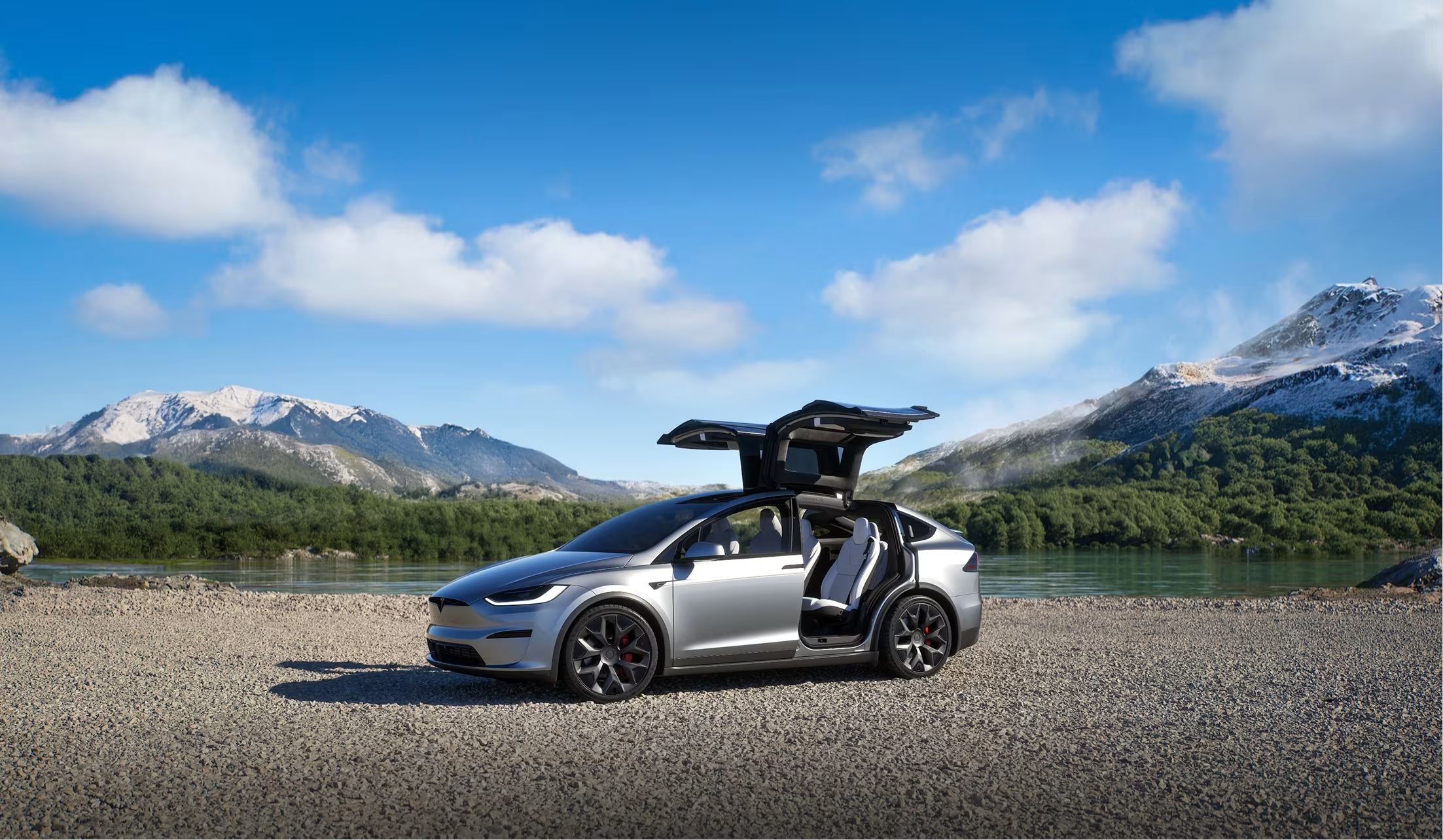
The Tesla Model X Palladium is a late version of the first-generation Model X after the major Palladium update. Formally, this is the same electric SUV that Tesla has been producing since 2015, but with a different interior, more modern electronics, revised suspension, and current AWD and Plaid versions.

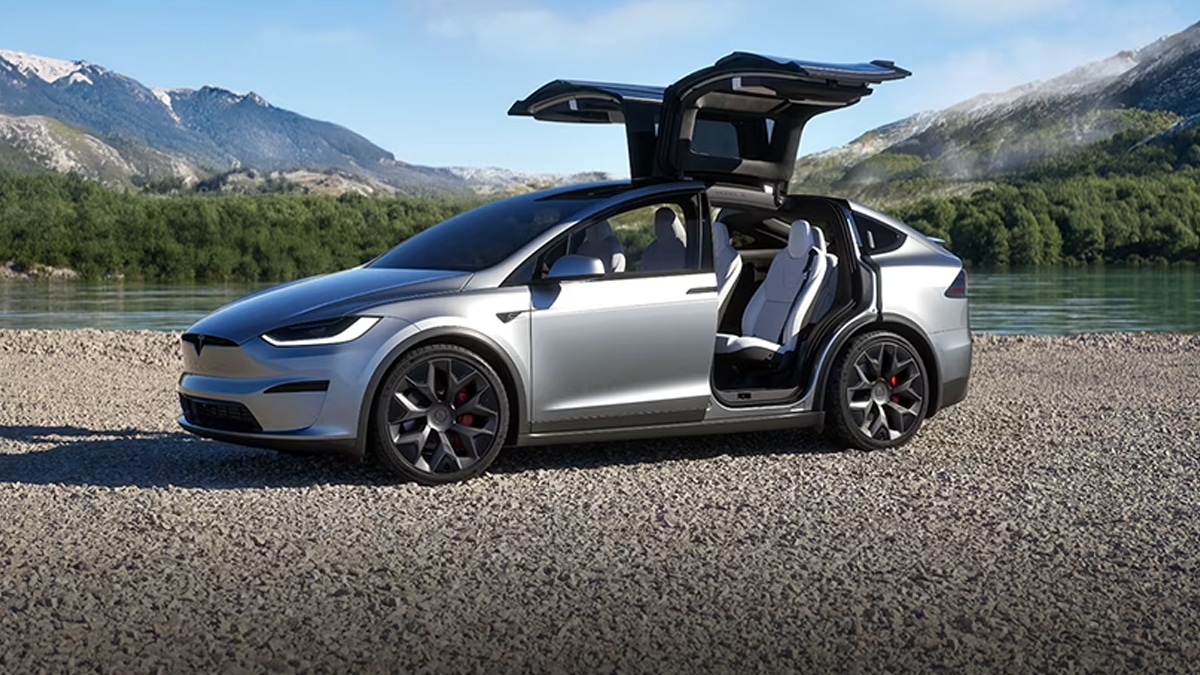
For buyers in Ukraine and Europe, the Model X Palladium is interesting as the most refined Model X, but not as a completely new model. It has retained its main signature features: Falcon Wing doors, a huge panoramic windshield, all-wheel drive, fast charging, and seating for up to seven passengers depending on the configuration. At the same time, this is already the final phase of the platform, so it should be evaluated realistically.
Tesla Model X I Palladium — section image

Design and positioning

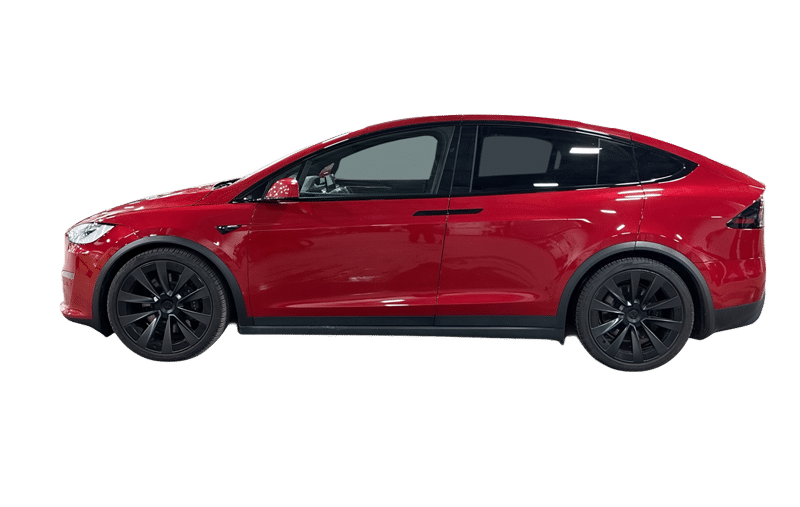
From the outside, the Tesla Model X Palladium hardly tries to hide its age. The silhouette remains familiar: a short hood, high roofline, smooth rear end, and signature rear doors that open upward. Compared with newer electric SUVs, the model does not look radically fresh, but it still has a recognizability that many competitors lack.

The Model X Palladium received targeted changes such as updated wheels, adaptive headlights, a front bumper camera, and new lighting details. This is not a design revolution, but cosmetic work around an already familiar architecture. The Model X remains a large premium electric SUV for those who need space, speed, and visual impact rather than the classic restraint of BMW or Mercedes.

Tesla Model X I Palladium — section image

Interior changes

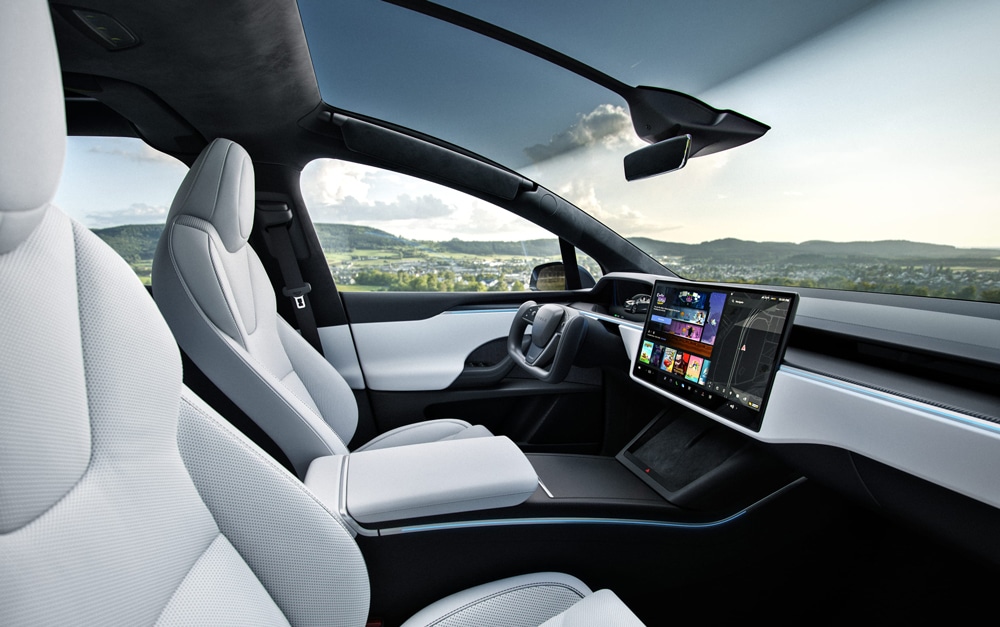
After the Palladium update, the interior became much more modern. It features a horizontal central screen, a separate driver display, a rear screen for passengers, new materials, ventilated front seats, and updated multimedia. The newer version also added small useful details such as a blind-spot indicator and a front camera that helps when parking a large SUV.

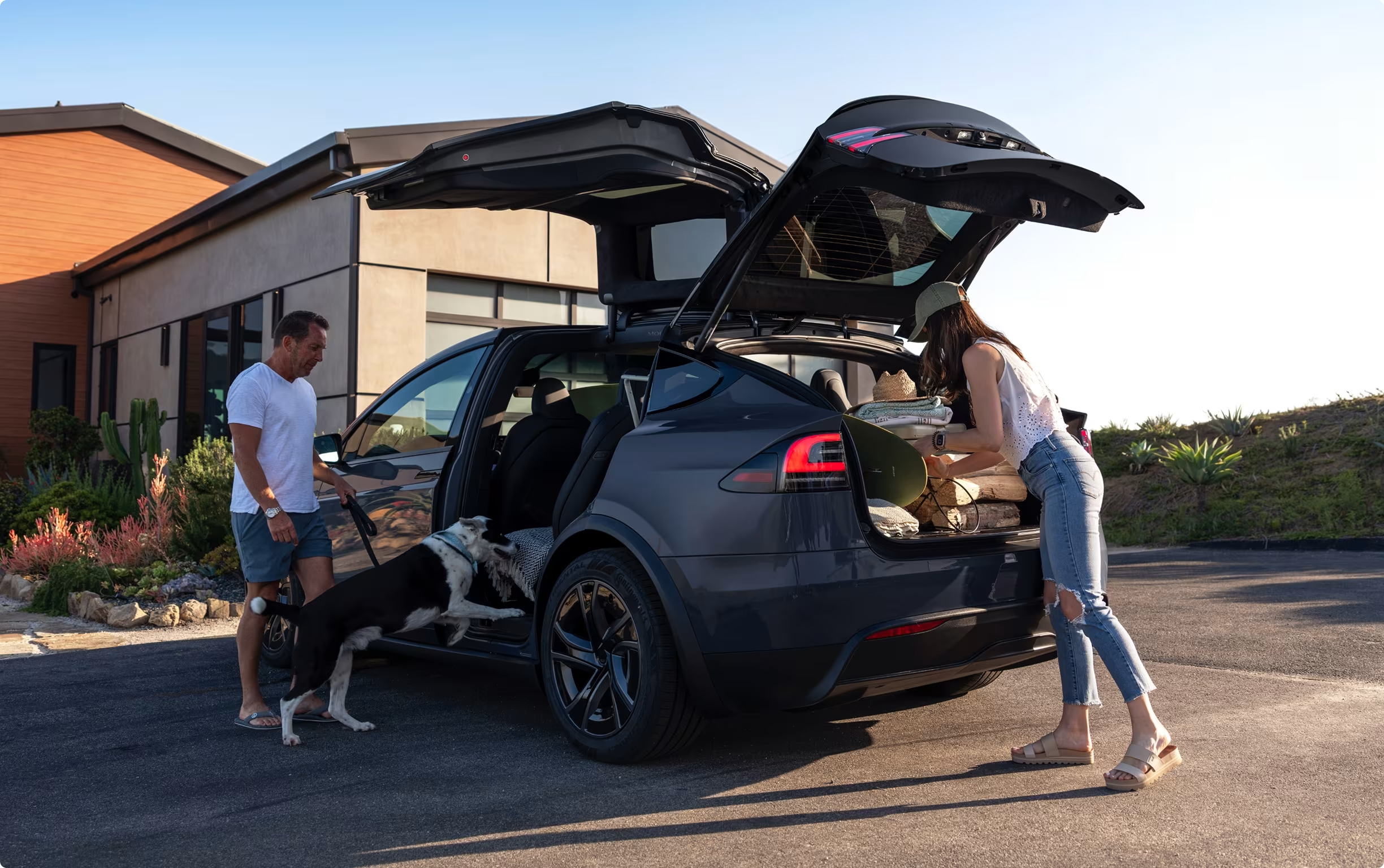
The main feature of the interior is the view through the panoramic windshield. It extends far into the roof and creates the feeling of a very open cabin. The front seats are spacious, the second row can be configured for five, six, or seven seats depending on the layout, and the third row is better suited for children or adults on short trips. Falcon Wing doors make access easier in tight parking spaces, but their complexity and operating speed will not appeal to everyone.

As in other Tesla electric cars, many functions live exclusively on the screens. Navigation, climate control, charging, cameras, media, updates, and vehicle settings are gathered into one system. This is convenient for those who are already used to Tesla, but after a traditional premium German SUV, the lack of regular physical buttons may be noticeable. Full Self-Driving in Europe should also not be perceived as autonomous driving: it is a driver-assistance system with local limitations. It differs very significantly from the fuller U.S. Autopilot/FSD experience.

Tesla Model X I Palladium — section image

Battery and range

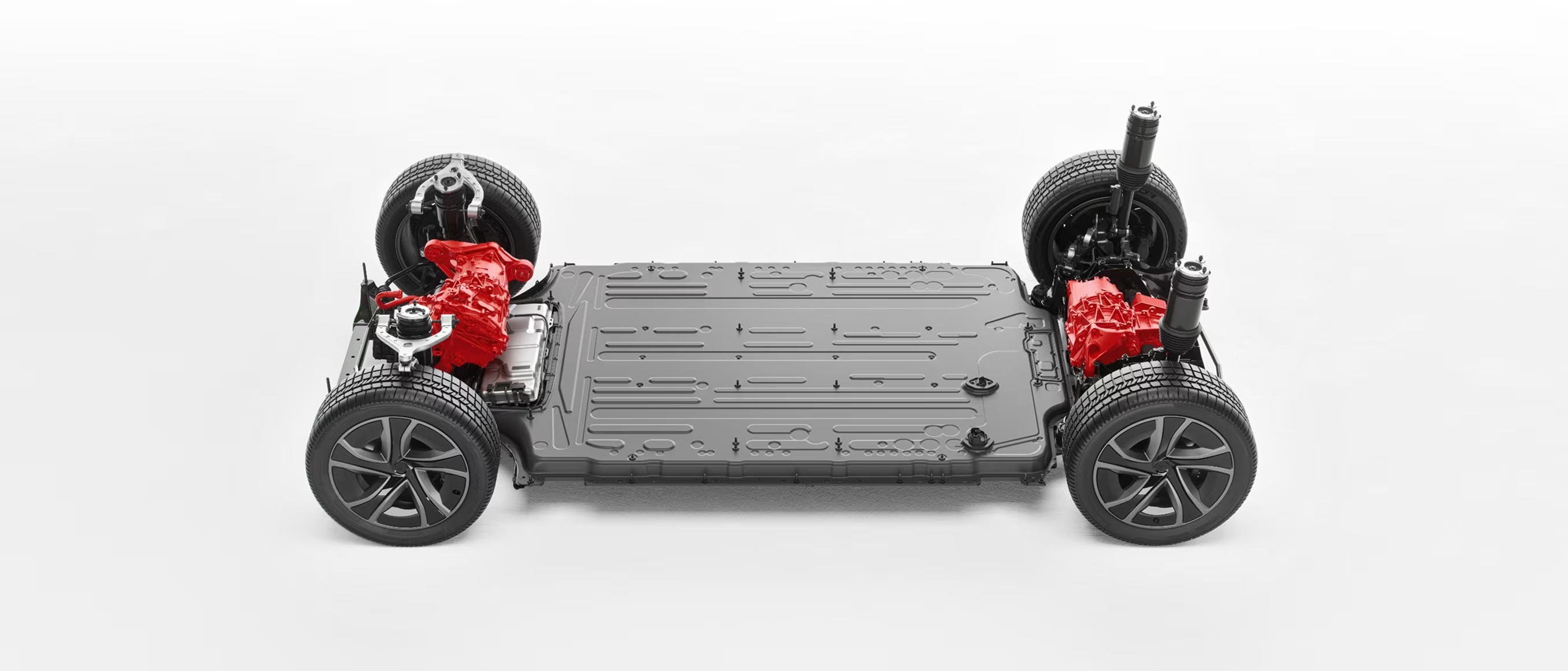
The Tesla Model X Palladium lineup consists of two main versions. The Model X AWD has two electric motors, all-wheel drive, about 670 hp, and up to 352 miles of EPA range. The Model X Plaid uses three motors, has about 1020 hp, and up to 335 miles of EPA range. For European buyers, these figures are better treated as an American reference point rather than a direct replacement for WLTP.

According to European EV specifications, the Model X AWD has a battery with about 95 kWh of usable capacity and an estimated real-world range of around 490 km. In mild weather in the city it can travel more, while on a fast highway in winter it can cover significantly less. For the Plaid, real-world range is also lower than the official figure, because high weight, power, and large wheels quickly punish a fast driving pace.

Charging remains one of the Model X’s strong points. The car supports DC charging at up to 250 kW on Supercharger stations, while at home or on an AC station it charges at up to 11 kW. For long-distance travel, not only peak power matters, but also route integration: Tesla plans charging stops by itself, preconditions the battery before a Supercharger, and shows the predicted remaining energy.

Tesla Model X I Palladium — section image

Performance and handling

Even the regular Model X AWD is very fast for a large family SUV: 0–60 mph takes about 3.8 seconds. All-wheel drive adds confidence in winter, air suspension helps keep the body under control, and the low placement of the battery reduces body roll compared with petrol SUVs of this size.

The Plaid is a different kind of performance extreme. Acceleration from 0 to 60 mph in 2.5 seconds turns what is conceptually a large seven-seat vehicle into an almost absurdly fast electric crossover. But this is not free magic: the Plaid has a shorter range, more expensive tires, higher weight, and greater load on the brakes and suspension. For calm family routes, AWD looks more logical. The Model X Palladium received retuned air suspension and better stability, but the age of the platform can still be felt. Newer competitors may be quieter, have a more flexible third row, or charge faster thanks to 800-volt architecture. The Model X responds not with the freshest platform, but with a combination of space, speed, Supercharger access, and its own charisma.

Pros of the Tesla Model X

  • 1. Performance. Even the AWD accelerates like a sports sedan, while the Plaid easily reaches supercar territory.
  • 2. Spacious interior. Configurations with 5, 6, or 7 seats make the Model X an ideal choice for families and long trips.
  • 3. Strong charging ecosystem. Supercharger access and smart route planning make long-distance travel easier.
  • 4. Eye-catching Falcon Wing doors. The rear doors make access to the second and third rows easier and still make the Model X stand out on the road.
  • 5. Updated electronics. A front camera, adaptive headlights, blind-spot indicator, and improved suspension make the late version more convenient.
  • 6. High safety level. The Model X has a 5-star Euro NCAP rating from the 2019 test, although there is no separate rating specifically for the Model X Palladium.

Cons of the Tesla Model X

  • 1. The platform’s age is noticeable. Despite the updates, the Model X foundation comes from the mid-2010s.
  • 2. Falcon Wing doors are complex in daily use. They are impressive, but they work more slowly than regular doors and may require more attention.
  • 3. The third row is not for every adult. It works for short trips, but larger passengers will not have enough space.
  • 4. Real-world range strongly depends on driving pace. High speed, cold weather, and large wheels noticeably reduce mileage.
  • 5. The Plaid has expensive consumables. Tires, brakes, and suspension in such a powerful version require a more careful ownership budget.
  • 6. Uncertainty with new deliveries. The Model X Palladium is essentially a late final version, so availability depends on remaining stock and the specific market.

The Tesla Model X Palladium is suitable for those who want a large “American” electric SUV with maximum performance, space, recognizable design, and Tesla’s charging infrastructure. It is a good option for a buyer who understands the brand’s specifics and is ready to accept a digital cabin, complex doors, and a platform that is no longer the newest. The most rational choice for a buyer is probably the Model X AWD: it has better range, more than enough performance, and fewer compromises in everyday use. The Plaid is worth choosing when extreme speed and the status of the most powerful Model X are the priorities, while tire costs, range, and a firmer character are not the main concerns.

The Tesla Model X Palladium is suitable for those who want a large “American” electric SUV with maximum performance, space, recognizable design, and Tesla’s charging infrastructure. It is a good option for a buyer who understands the brand’s specifics and is ready to accept a digital cabin, complex doors, and a platform that is no longer the newest. The most rational choice for a buyer is probably the Model X AWD: it has better range, more than enough performance, and fewer compromises in everyday use. The Plaid is worth choosing when extreme speed and the status of the most powerful Model X are the priorities, while tire costs, range, and a firmer character are not the main concerns.

electrocar.top

Contact us

If you have any suggestions for improving electrocar.top, email us or message us on Telegram.